
Effective Fire Door Checks: A Step-by-Step Guide

Fire door safety is a critical component in protecting high-risk buildings. Properly maintained fire doors prevent the spread of fire and smoke, providing vital time for evacuation and emergency response. I will guide you through a clear, practical process to conduct effective fire door checks. This ensures compliance with fire safety legislation and safeguards lives and property.
Understanding Fire Door Safety Requirements
Fire doors must meet specific standards to perform correctly in an emergency. They are not ordinary doors; they are engineered to resist fire for a designated period, typically 30 or 60 minutes. Fire door safety involves more than just the door leaf. It includes the frame, seals, hardware, and signage.
Key requirements include:
Correct installation: Fire doors must be fitted according to manufacturer instructions and regulatory standards.
Intact seals: Intumescent strips and smoke seals must be present and undamaged.
Functional hardware: Hinges, locks, latches, and closers must operate smoothly.
Clear signage: Fire door signs must be visible and legible.
No damage or alterations: Doors should not have holes, gaps, or unauthorised modifications.
Regular inspections confirm these elements remain compliant. Neglecting fire door safety can lead to legal penalties and increased risk during a fire.

Step-by-Step Process for Fire Door Checks
Follow these steps to conduct thorough fire door checks:
Visual Inspection
Examine the door and frame for visible damage. Look for cracks, holes, or warping. Check that the door fits snugly within the frame without excessive gaps.
Check Seals and Intumescent Strips
Inspect the edges of the door for intumescent strips and smoke seals. Ensure they are continuous, undamaged, and firmly attached.
Test Door Operation
Open and close the door fully. It should move smoothly without sticking. The door must close automatically and latch securely without manual assistance.
Inspect Hardware
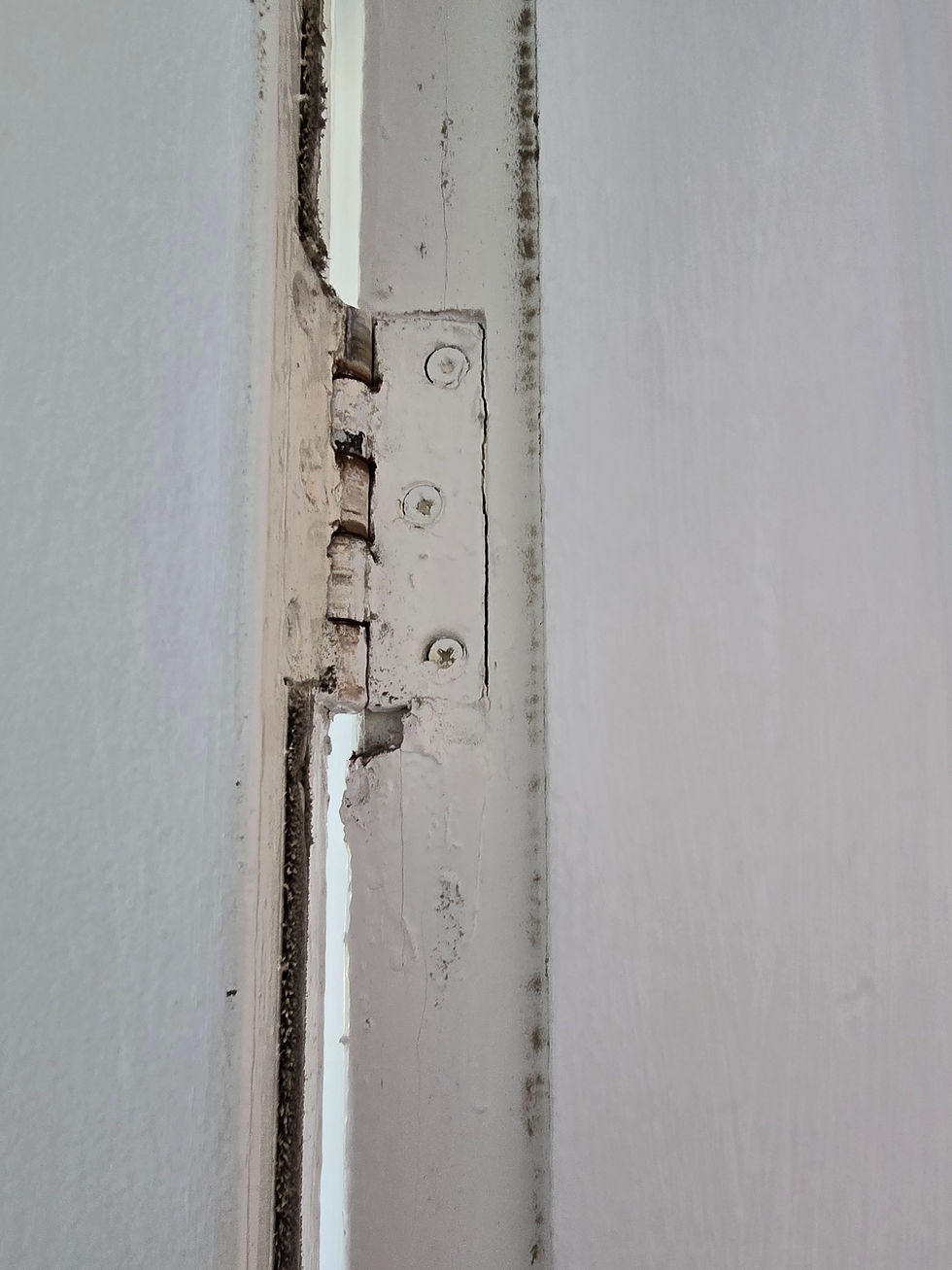
Verify hinges are firmly fixed and not loose. Check locks, latches, and handles for proper function. Confirm door closers are adjusted to close the door fully and at the correct speed.
Review Signage
Confirm fire door signs are present on both sides of the door. Signs should be clean, visible, and comply with regulatory standards.
Record Findings
Document all observations, noting any defects or maintenance needs. Use a checklist to ensure consistency and completeness.
Schedule Repairs
Arrange for immediate repair or replacement of any faulty components. Prioritise issues that compromise the door’s fire resistance.
By following this methodical approach, you maintain fire door safety and ensure compliance with fire safety legislation.
Common Issues Found During Fire Door Checks
During inspections, certain problems frequently arise. Recognising these issues helps target maintenance efforts effectively.
Missing or damaged seals: Intumescent strips can become brittle or fall off. Smoke seals may be worn or removed.
Faulty door closers: Closers may be broken, improperly adjusted, or missing, preventing the door from closing fully.
Loose or missing hardware: Hinges, locks, and handles can loosen over time or be replaced with non-compliant parts.
Unauthorised modifications: Holes drilled for cables or vents compromise fire resistance.
Obstructions: Items wedged to keep doors open defeat their purpose.
Incorrect signage: Signs may be faded, missing, or placed incorrectly.
Address these issues promptly to maintain the integrity of fire doors.
Best Practices for Maintaining Fire Door Safety
Maintaining fire door safety requires ongoing attention and a proactive approach. Implement these best practices:
Regular inspections: Schedule fire door checks at least every six months or more frequently in high-traffic areas.
Staff training: Educate maintenance and security personnel on fire door importance and inspection techniques.
Use certified components: Replace parts only with those tested and approved for fire doors.
Keep records: Maintain detailed logs of inspections, repairs, and replacements for accountability and audits.
Avoid shortcuts: Never prop open fire doors or use non-compliant hardware.
Engage professionals: Use specialist fire door inspection services for thorough assessments and certification.
These steps ensure fire doors remain effective and compliant over time.
Leveraging Professional Support for Fire Door Checks
Managing fire door safety in high-risk buildings can be complex. I recommend partnering with experts who understand fire safety legislation and practical requirements. Professional services provide:
Comprehensive inspections using industry-standard checklists.
Detailed reports highlighting compliance status and defects.
Advice on remedial actions and prioritisation.
Certification to demonstrate compliance to regulators and insurers.
For example, fire door checks by IntegriFire offer trusted expertise tailored to property management organisations. Their knowledge helps navigate evolving regulations and ensures your fire doors perform as intended.
Sustaining Fire Door Safety Over Time
Fire door safety is not a one-time task. It demands continuous vigilance and commitment. Establish a fire door management plan that includes:
Scheduled inspections and maintenance.
Clear responsibilities assigned to staff.
Prompt response to identified issues.
Regular updates on fire safety legislation.
Engagement with professional fire safety consultants.
By embedding these practices into your property management routine, you protect occupants and assets effectively.
Fire door safety is a cornerstone of fire risk management. Follow this guide to conduct effective fire door checks and maintain compliance. Your diligence can save lives and prevent catastrophic damage.
Comments